After all, the British monarchy spans over a millennium and includes more than 60 sovereigns.
British monarchs are bound to certain traditions and constitutional norms, which keep things running smoothly during their reign.
Indeed, the monarchy has seen its share of scandals, power struggles, and other escapades.
As we head into the future, critics debate whether or not the monarchy is still relevant.
Some believe that the royal family represents an old-fashioned and pointless institution.
When King Charles III ascended the throne in 2022, he became the first new sovereign in 70 years.
This is our definitive ranking, from best to worst.
King George VI
First up is George VI, the father of Queen Elizabeth II.
George took over as king in 1936 following the abdication of his brother, King Edward VIII.
His leadership was tested in 1940 when Nazi Germany carried out a series of bombings across England.
They also offered their support to towns that were leveled by the bombings.
Ultimately, George emerged as a hero for his strength and leadership during World War II.
In the post-war years, he worked tirelessly to restore social and economic vitality to England.
Alfred the Great
Alfred the Great ruled the Anglo-Saxon kingdom of Wessex from 871 to 899.
During this time, modern-day England was a battleground between Anglo-Saxons and Vikings.
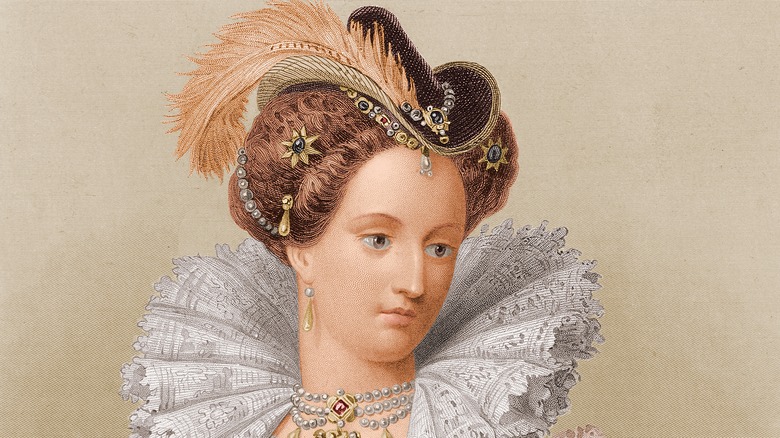
After years of bloody conflict, Alfred defeated Viking forces during the battle of Edington in 879.
The parties later reached a peace agreement, and Wessex was safe at last.
In the following years, Alfred continued constructing forts and building battleships to protect Wessex from future attacks.
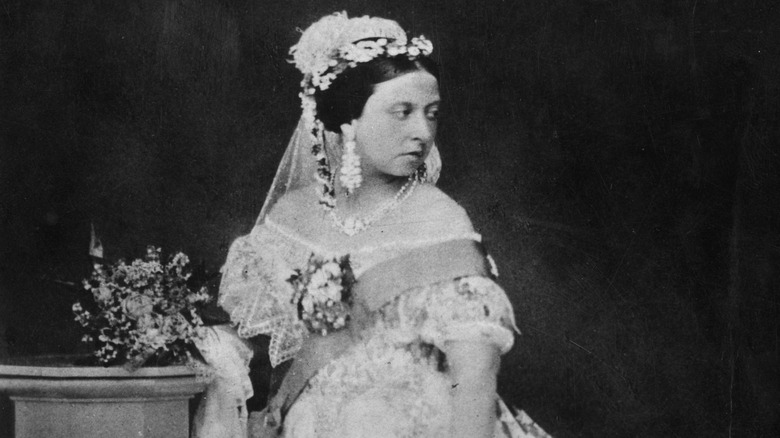
Alfred was also a scholar with an interest in Latin, theology, and art.
This king was beloved by many including many experts who’ve studied him.
One historian even called him “the most perfect character in history” (viaHistory Today).
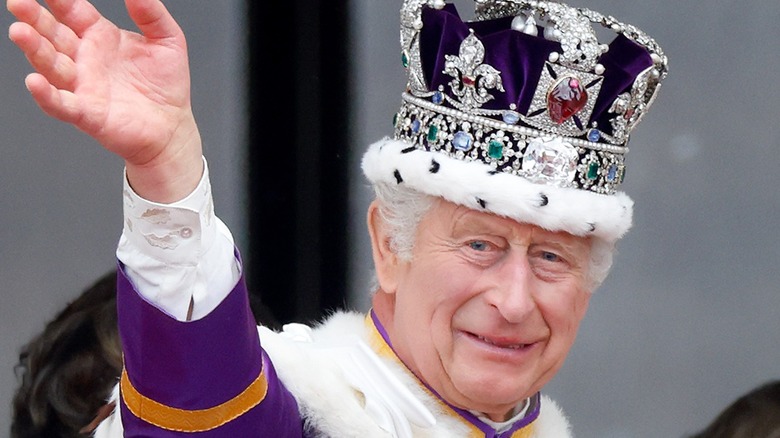
Alfred died in 899, leaving behind a larger-than-life reputation.
Thanks to his legendary bravery and leadership, Alfred the Great comes in at an honorable second place.
Queen Elizabeth II
Coming in at a noble third place isQueen Elizabeth II.
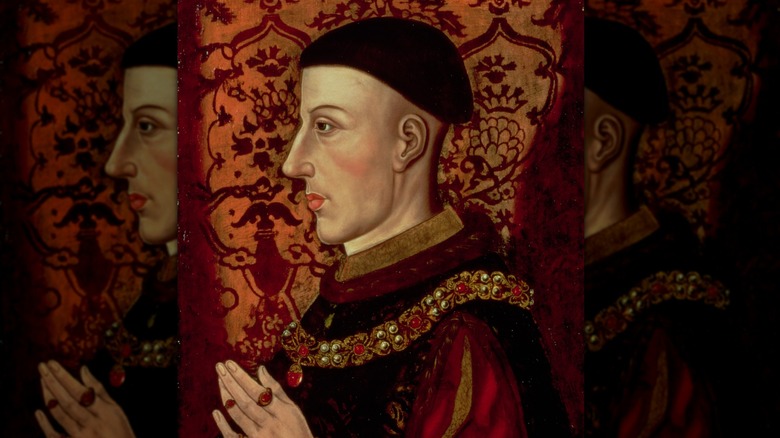
Known for her stoicism and elegance, this royal golden girl is one of history’s most beloved monarchs.
Elizabeth was just 25 years old when she became queen in 1952.
Her iconic reign lasted for 70 years the longest of any ruler in British history.
Elizabeth upheld her promise, and in doing so, she became a legendary symbol of British pride.
Elizabeth had a uniquely public-facing persona that helped modernize the British monarchy’s image.
Her exploits included trips to China and Saudi Arabia firsts for a British monarch.
She was also the first sovereign to visit a mosque.
Shortly before her death in 2022, Elizabeth’s popularity soared to 81%, according to aYouGov Survey.
Despite being the ever-likable queen, it is impossible to discuss Elizabeth’s legacy without discussing past controversies.
In 1997, she was widelycriticized for her silencefollowing the tragic death of her daughter-in-law,Princess Diana.
Nonetheless, she remains one of the most eminent figures in modern history.
Henry was infuriated by Elizabeth’s birth because he had desperately wanted a male heir.
Boleyn was later executed at Henry’s behest, leaving young Elizabeth to be raised by tutors and governesses.
Elizabeth ascended the throne in 1588 following the death of her half-sister, Queen Mary I.
Just like her distant descendant, Queen Elizabeth II, Elizabeth I was only 25 when she became queen.
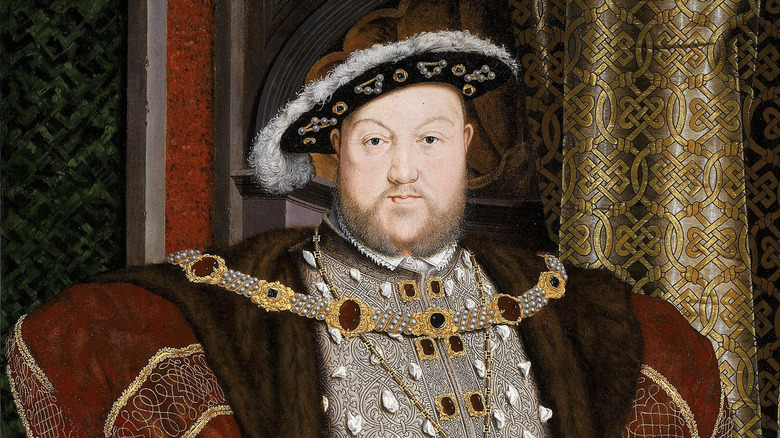
In 1588, Elizabeth’s troops famously defeated Spain in the Spanish Armada.
As such, her popularity took a significant nosedive.
Queen Victoria
Next up is Queen Victoria, one of England’s most famous rulers.
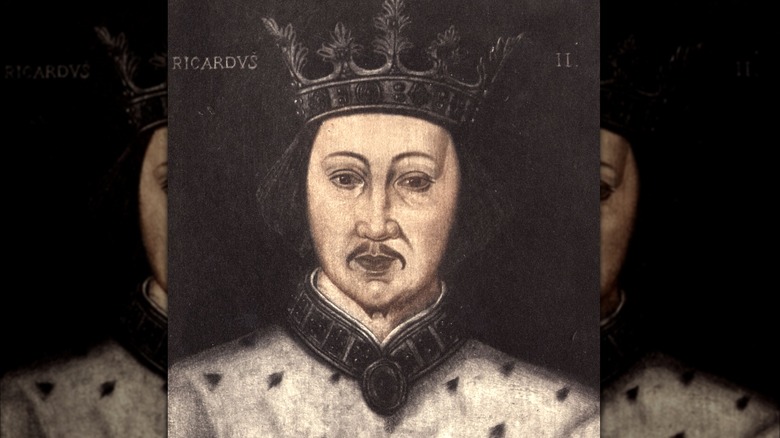
Victoria was just 18 years old when she came to power in 1837.
She also vastly expanded the British Empire and steered the country through several wars abroad.
Victoria sat on the throne for 63 years the second-longest reign in the history of the British monarchy.
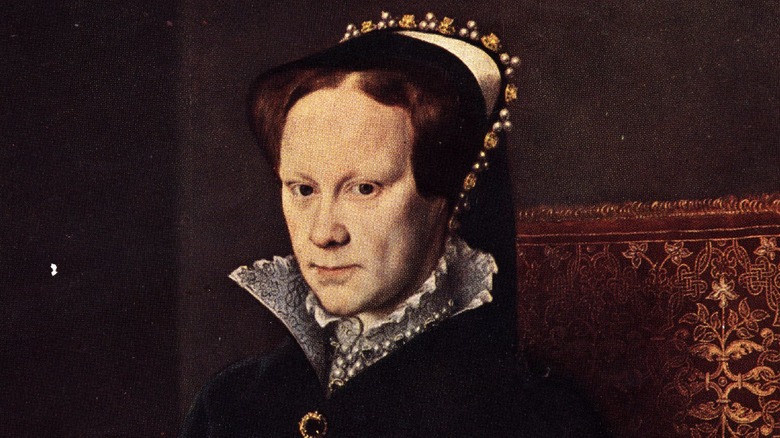
Victoria accomplished a lot during her reign, but she didn’t do it alone.
Her husband, Albert, often stepped in to perform royal duties while Victoria cared for their nine children.
When Albert died in 1861, a grief-stricken Victoria reentered the spotlight and grew into her role as queen.
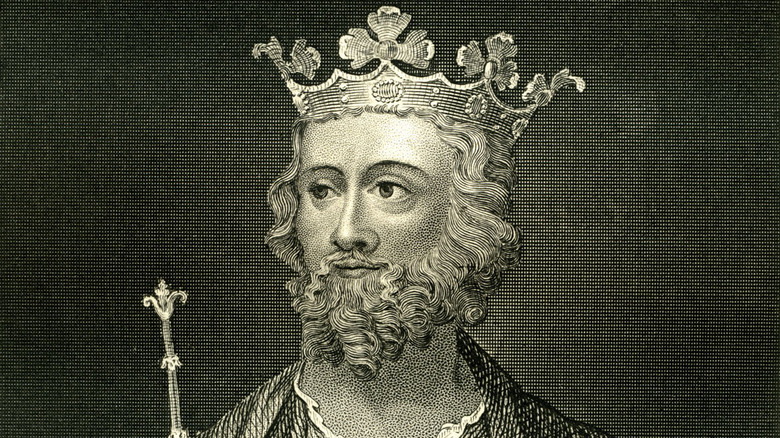
Overall, Victoria’s popularity fluctuated throughout her reign.
At her lowest points, she was the target of eight assassination attempts.
Still, the long-reigning queen remains an influential figure in British history.
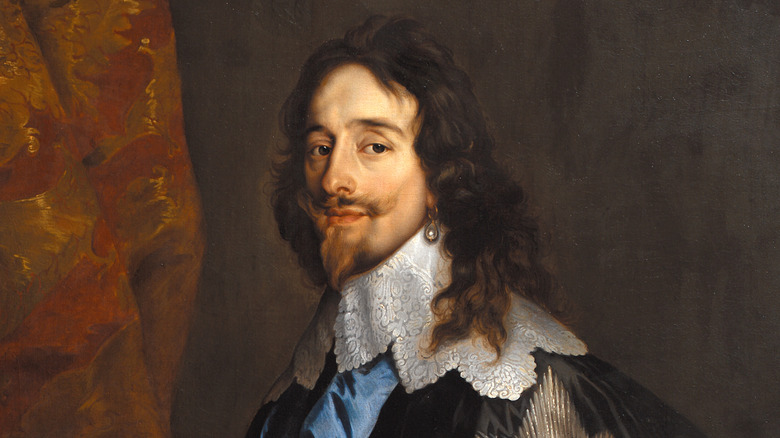
King Charles III
Coming in at a sturdy sixth place isKing Charles III.
This monarch rose to power in 2022 following the death of his mother, Queen Elizabeth.
Before his kingship, Charles was a suave, athletic prince with a passion for conservation.
His public-facing persona helped endear him to the world but at times, it was also his downfall.
The scandal caused a media uproar and humiliated the royal family.
The public was furious with Charles for betrayinghis first wife, Princess Diana.
Nowadays, Charles seems to be hitting his stride.
According to athird-quarter 2023 YouGov pollpoll, 52% of respondents supported the new monarch.
But will Charles ever rise to his mother’s level of public admiration?
As such, historian Brooke Newman believes that Charles' popularity will be judged on totally different merits.
King Henry V
Our next monarch is Henry V, who reigned from 1413 to 1422.
According to historian Juliet Barker, Henry’s legacy was well deserved.
“And unlike many other monarchs, he actually fought there in person.
Henry captured more French territory in 1417.
In 1422, Henry died of dysentery and left behind his strong reputation.
These days, however, historians view him more critically due to his brutality on the battlefield.
This king ranks seventh on our list, partly due to his lasting popularity.
King George III
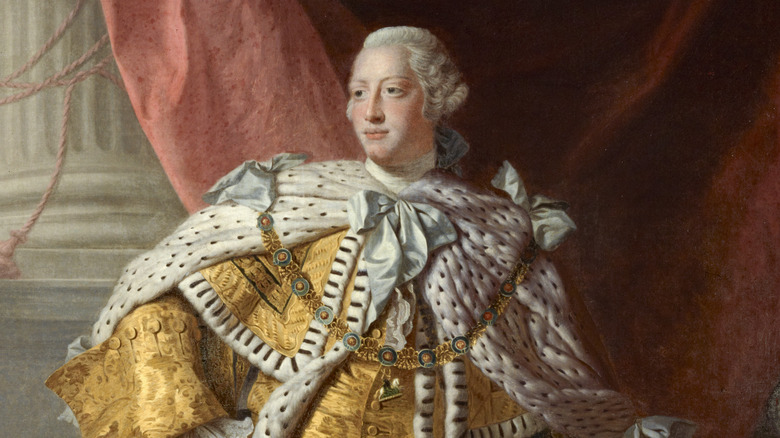
King George III ruled England from 1760 to 1820.
His early years on the throne were filled with optimism.
As a king, he was regal, pious, and disciplined.
However, George’s reign was tarnished by the Revolutionary War and the subsequent loss of the American colonies.
By the 1770s, relations between England and the colonies had taken a turn for the worse.
Enraged by England’s excessive tax laws, colonists demanded reforms.
In England, George feuded with Parliament over various policies and financial matters.
In 1775, the Revolutionary War began.
The Revolutionary War lasted eight grueling years.
England finally surrendered in 1781, and America went on to break free from George’s rule.
When the Declaration of Independence was written, it contained 27 scathing complaints about the English king.
Ultimately, George’s reputation never recovered from his failures during the war.
In 1820, he died an unpopular king.
Thus, this king ranks a moderate eighth on our list.
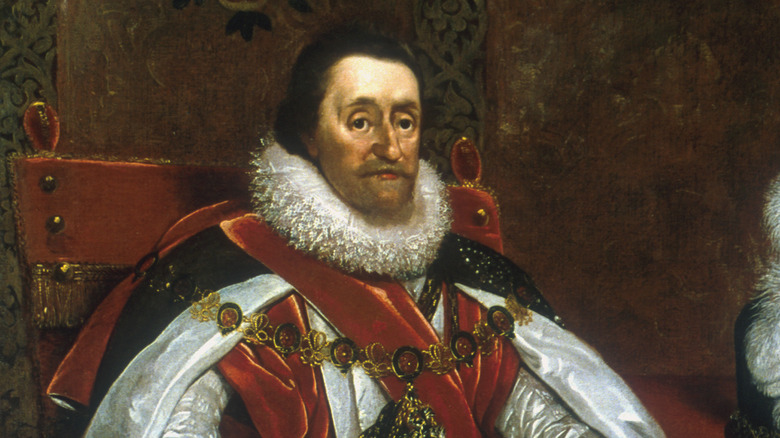
In 1603, James also took the British throne following the death of his cousin, Mary I.
In 1604, he helped England reach a peace agreement with Spain.
He also supported the Virginia Company, which established the first English colony in America.
The Jamestown settlement was later named in his honor.
Unfortunately, James' golden years didn’t last.
By 1611, England was in a legislative gridlock due to his constant power struggles with Parliament.
To make matters worse, the king was in serious debt.
James' reputation grew even more bleak thanks to his hyperfocus on witchcraft.
In the end,hundreds of people who were accused of being witches were killed during his reign.
James died in 1625, leaving behind his soured legacy.
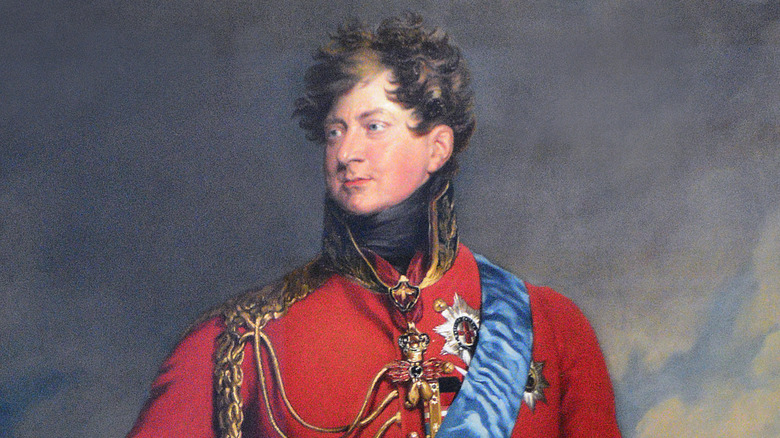
George ascended the throne in 1820 at the age of 57.
His glitzy coronation was 20 times pricier than his father’s.
As king, George set his sights on gaining maximum wealth and power.
In 1815, he transformed the Royal Pavillion into a sprawling, South Asian-inspired palace.
Today, the property serves as an impressive British landmark.
Throughout the years, George saw numerous failures in his personal and public life.
His marriage to Princess Caroline of Brunswick ended in a messy divorce.
Critics resented his lavish spending and accused him of squandering tax dollars.
George died in 1830, leaving behind a dismal legacy.
His brother, William IV, succeeded him.
Still, it doesn’t absolve him of being a terrible king.
Thanks to his vanity and ineffective leadership, the people of England felt deeply disconnected from this monarch.
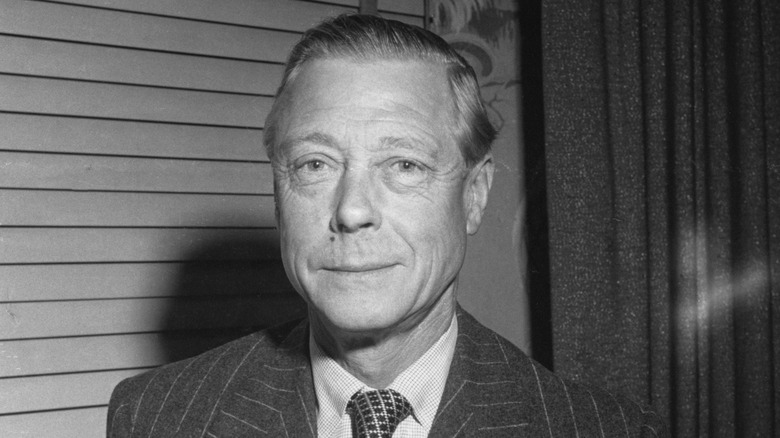
As for Edward, he and Simpson went on to live a relatively quiet life.
Many believe that Edward’s abdication was for the best, including author and historian Andrew Lownie.
“He was totally unsuitable to be king,” Lownie toldVanity Fair.
Abdicating was a pretty lousy move for Edward, but the worst was yet to come.
In 1937,he met with Adolph Hitler, sparking suspicions that he was a Nazi sympathizer.
King Henry VIII
Coming in at No.
10 is Henry VIII, one of England’s most notorious kings.
When he rose to power in 1509, Henry was determined to see his bloodline prevail.
Henry petitioned for a divorce, but the Catholic Church blocked his efforts.
In retaliation, he began to dissolve the Church’s power and shut down monasteries across the country.
In their place, Henry established the Church of England.
By 1533, Henry had married his second wife, Anne Boyelin.
Anne also gave birth to a girl and was subsequently executed.
Altogether, Henry married six times and had two of his wives executed.
His penchant for brutality was well known throughout the kingdom of England.
Historians believe that as many as 57,000 people were tortured or executed during Henry’s reign.
At his worst, Henry was cruel, oppressive, and ill-tempered.
Henry died in 1547 and passed the throne to his only surviving son, Edward VI.
Edward died a few years later, aged 15.
King Richard II
Up next is Richard II, one of the worst Monarchs in British history.
Richard’s story began in 1377 when he ascended the throne at just 10 years old.
The new king quickly became a symbol of hope to his people.
Unfortunately, Richard’s golden reputation was short-lived.
Within a few years, he plunged England into political turmoil.
Thus, the king surrounded himself with incompetent councilors and refused to take orders from Parliament.
Richard and his inner circle demanded more money for wars and more control over political matters.
Soon, he became the enemy of every governing body in the kingdom.
Finally, in 1399, Richard was overthrown by his enemy, Henry Bolingbroke.
Bolingbroke became King Henry IV.
As for the disgraced Richard, he died in prison in 1400.
Ultimately, though, his legacy was tarnished by his own greed and lust for power.
Nonetheless, Mary became queen in 1553 following the death of her half-brother, 15-year-old King Edward VI.
All told, hundreds of Protestants were killed or exiled during her reign.
Mary’s brutal enterprise earned her her macabre nickname.
Five centuries later, she remains one of history’s most infamous figures.
King Edward II
Edward II ruled England from 1307 to 1327.
This egotistical king did little to serve his people.
Instead, he clashed regularly with English barons and created a political nightmare for the kingdom.
Starting in the early days of his reign, Edward surrounded himself with a frivolous and incompetent inner circle.
He was known for playing favorites and awarding titles to bolster his personal relationships.
In addition to his political failures, Edward also fizzled on the battlefield.
His abysmal reign continued for several more years.
Edward is thought to have died while imprisoned in 1327.
His son, Edward III, inherited the crown.
Overall, Edward is remembered as a tyrannical man who abused his monarchical powers for personal gain.
King Charles I
Finally, we arrive at the lousiest monarch of all time, Charles I.
His disastrous reign lasted from 1625 to 1649.
He clashed with Parliament over taxes, legislation, and foreign policy.
His extravagant spending left the crown deeply in debt.
He also waged costly wars with France and Spain, further angering his detractors.
In 1629, Charles retaliated against Parliament by dissolving it altogether.
For the next 11 years, he ruled without a Parliament.
Not many kings can say that they single-handedly started an entire civil war, but Charles surely can.
