For betterandfor worse, the world has vastly changed over the past century.
By 1918, the most popular vehicle wasHenry Ford’s Model TandCharlie Chaplinwas reigning supreme on screen.
Althoughwomen were still without voting rights, they took to the workforce en masse to fill the open positions.
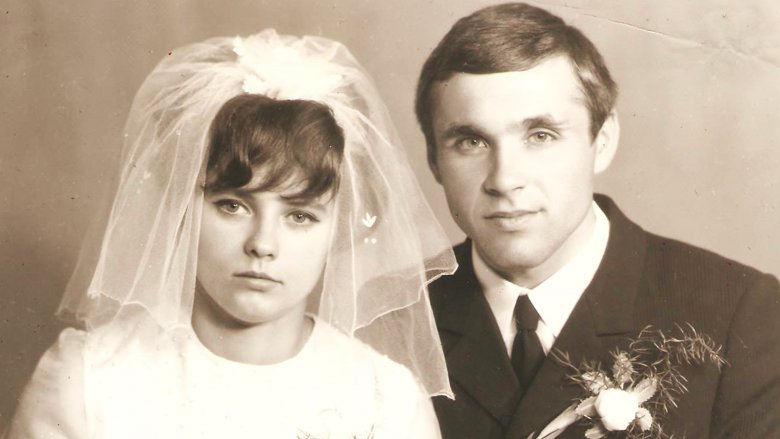
Relationshipswere also much different in those times.
It wasn’t until the turn of the twentieth century that dating as opposed to courtship became customary.
Some 50 years later, “free love” or sex without commitment would also come into the picture.
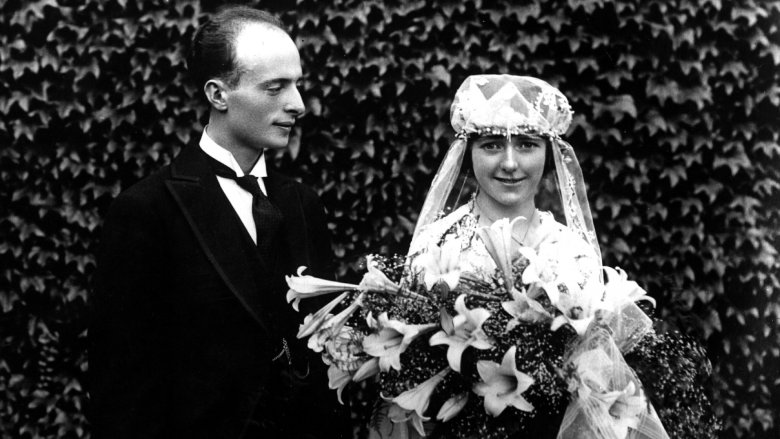
What is surprising, however, is just how dramatically different these unions would become.
Here’s how and what marriages changed in the past 100 years.
Right up until the end of the 18th century, though, love and marriage were mutually exclusive.
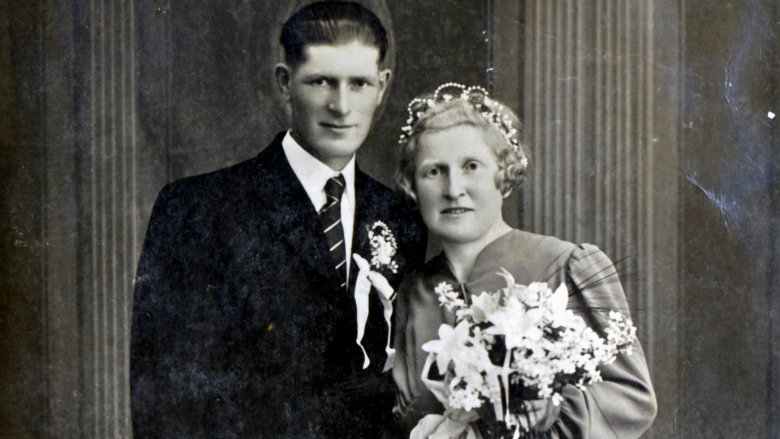
By the early 1900s, another mentality also worked its way into the equation.
Essentially, this is how the “opposites attract” philosophy got its start.
And what about women?
Well, as the professor explained, “a woman was just basically no where.”
According toHistory, high unemployment rates prevented couples from being able to afford to start families of their own.
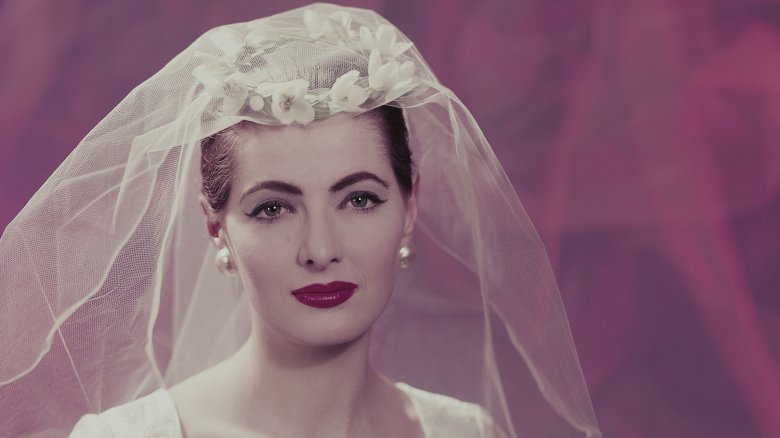
By the 1950s, the United States was entering its so-called “golden age of marriage.”
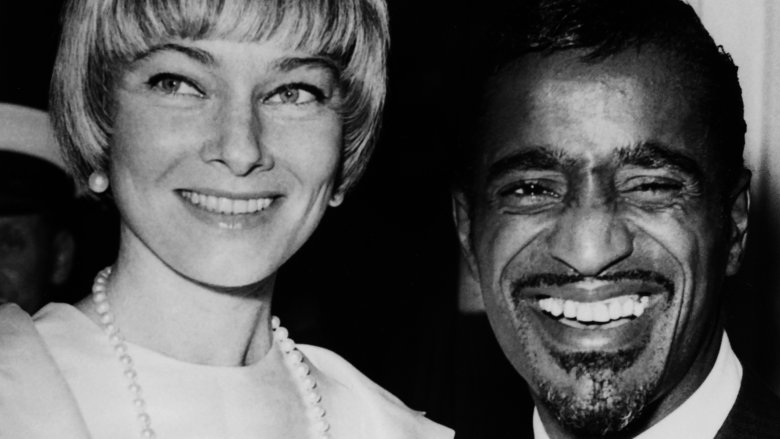
But, as the old Shakespearean adage goes, all that glitters is not gold.
This would be especially true of the ’50s marriage model.
After pleading guilty, the state ordered the husband and wife to leave the state.
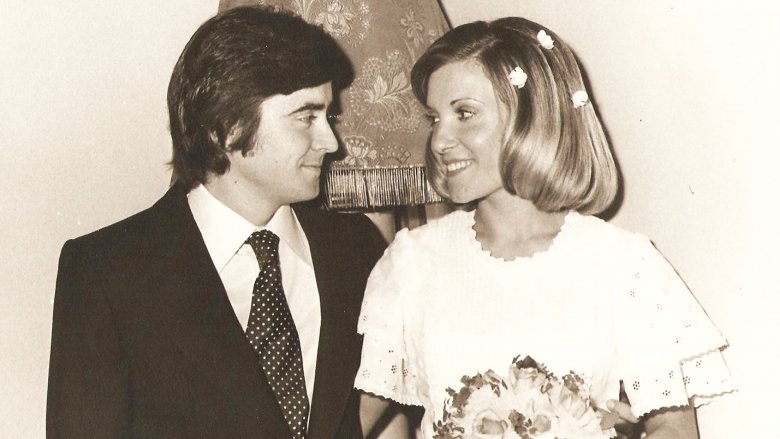
By 2015, one in six newlyweds were married to a person of a different race or ethnicity.
While you could think that was written today, that was actually published some three decades ago.
Voluntarily childless marriages were, of course, made easier to achieve with the legalization of thebirth control pill.
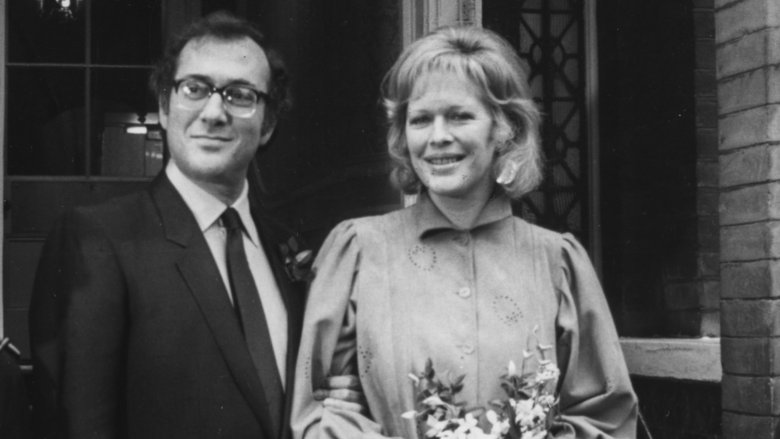
Though the contraceptive earned FDA approval in 1960, it wasn’t legalized throughout the country until 1965.
At that time, it was solely for married couples.
The 1950s saw even younger couplesgetting married.
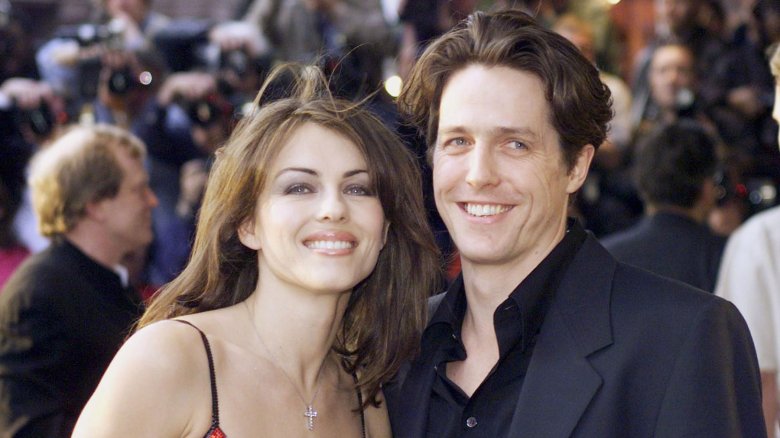
For the first time in over 90 years, women were getting married at the average age of 22.
This number would continue to creep upward throughout each decade that spanned further and further into the twentieth century.
And, by 2010, women had decided to wait until the average age of 26 to get married.
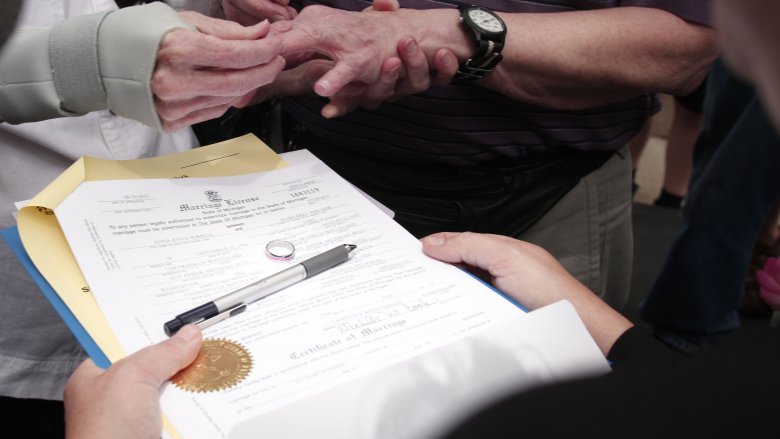
Men averaged two years older at 28.
These days, a 20-year-old bride or a 22-year-old groom would bequitethe rarity.
Much of the rise in cohabitation as an alternative to marriage is actually an alternative to divorce."

The professor wasn’t kidding when he mentioned the “risein cohabitation.”
According to theNational Marriage Project, the number of unmarried couples in the U.S. was nearlyfivemillionin the year 2000.
In 1960, that number was a paltry 500,000.
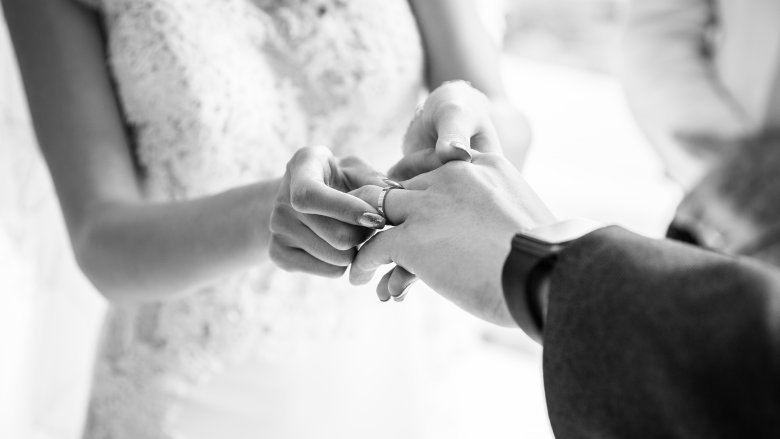
That’s a whole lot of cohabiting.
In June 2015 aka the twenty-first century the United States became the twenty-first country to recognize same-sex marriages.
With the newfound freedom to marry, many same-sex couples did just that.
The U.S. marriage rate among women is actuallythe lowest it has been in over a century.
Manyexperts also highlight the women’s liberation movementas a reason.
So, is marriage going extinct?
Millions of years from now, will archaeologists excavate marriage certificates and wedding bands like fossils?
Will children ask their parents, “Mom, dad, what’s awedding?”
