We may receive a commission on purchases made from links.
When people talk about how bodies are portrayed in the media, it’s usually about women.
But men have had to deal with body image issues as well.

Agriculture allowed those with power over the land to have huge feasts and thereby gain weight.
So, a heavier man was seen to be more well off and appealing than his skinny counterparts.
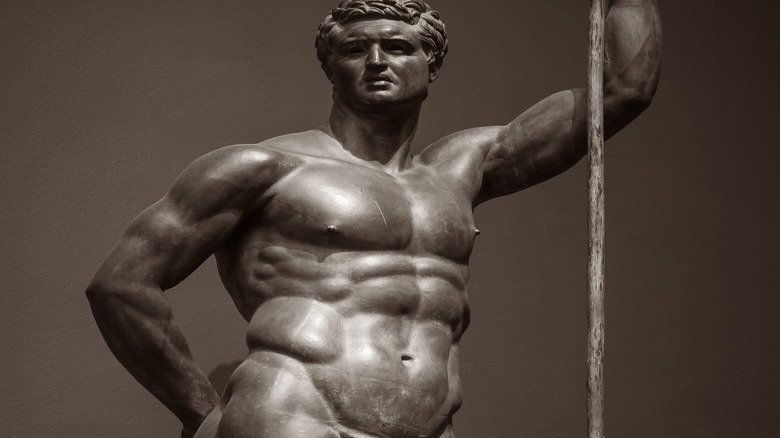
In fact, they look a lot like hot guys in magazines we’d see today.
Though there were specific ratios for Greek beauty, they weren’t completely realistic.
But Professor Richard Steckel paints a very different picture.
In the early Middle Ages, men were nearly as tall as men of the 21st century.
Tall people meant healthy people.
So, why did men shrink?
Steckel posits a number of possibilities.
The early Middle Ages took place in a warmer climate period, so crops were most likely more plentiful.
More food equals a healthier guy.
Also, people still lived in relatively remote populations.
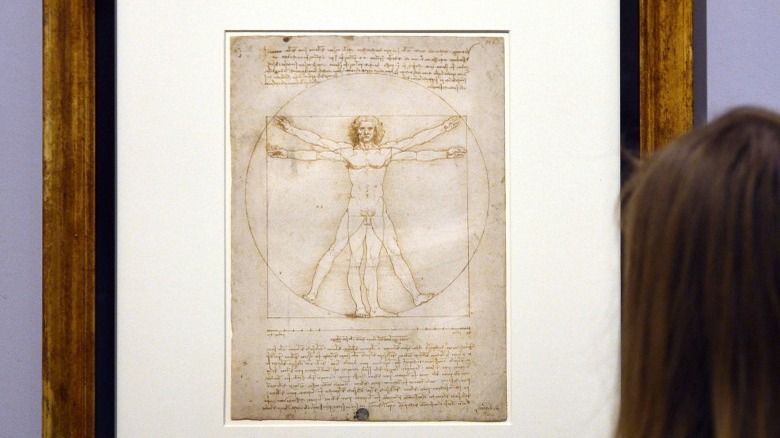
With his drawing of theVitruvian Man, he lays out exactly how the perfect body should look.
Plus, the circle and square that surround the man aren’t there just for extra decoration.
They held deep meaning.
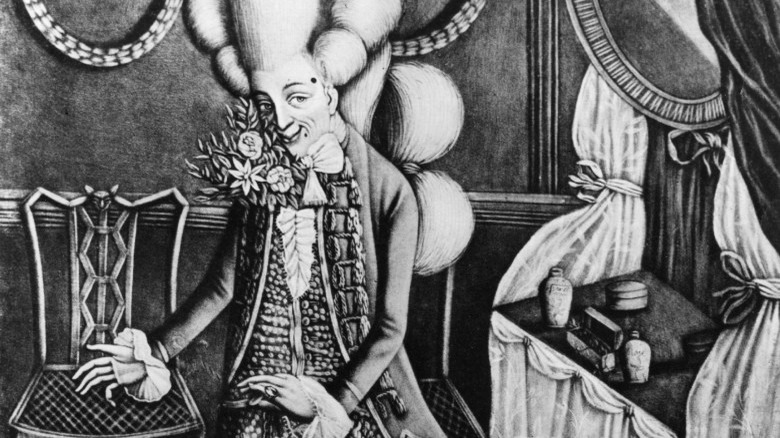
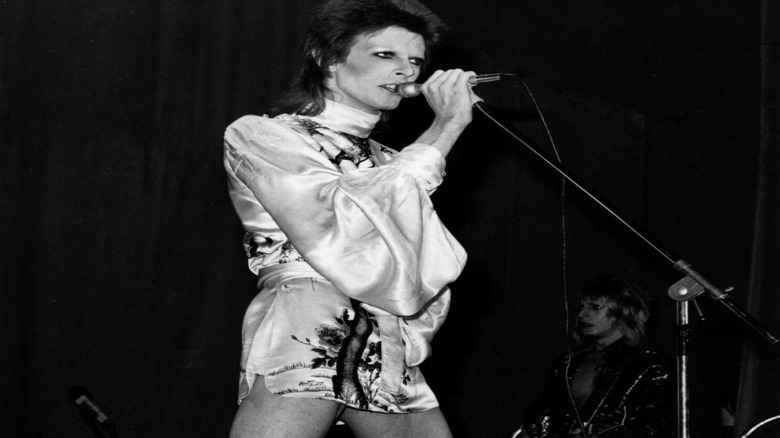
They began to wear more fashionable and slightly feminine clothing.
A trim figure was preferred as their many layers clung to the body.
Basically, they were the hipsters of their day.
Eventually, Macaronis became a laughing stock.
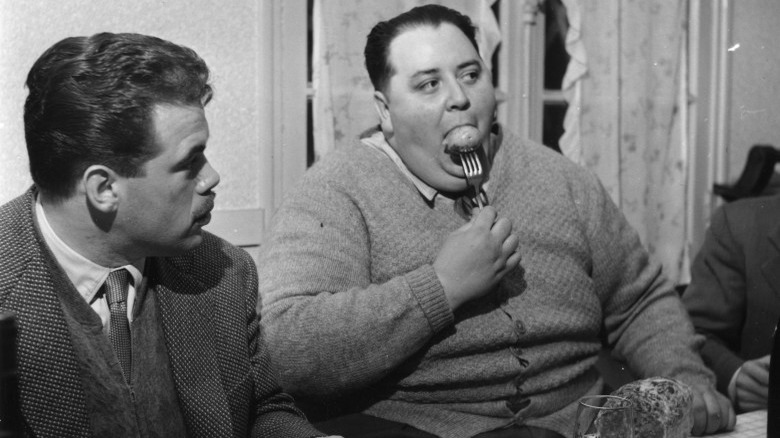
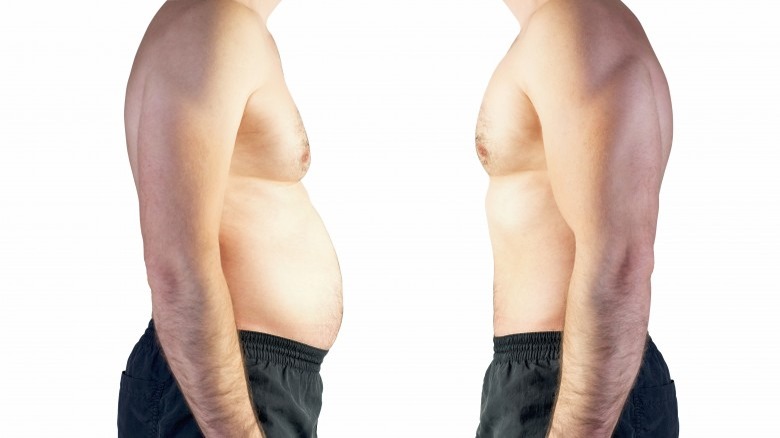
In a throwback from the Neolithic Age, weight meant status.
So, fat men were in.
It signified that you had plenty of money and didn’t need to do hard labor.
According to the bookLooking Gooda big belly was considered attractive.
It was so cool to be big, they had Fat Men’s Clubs.
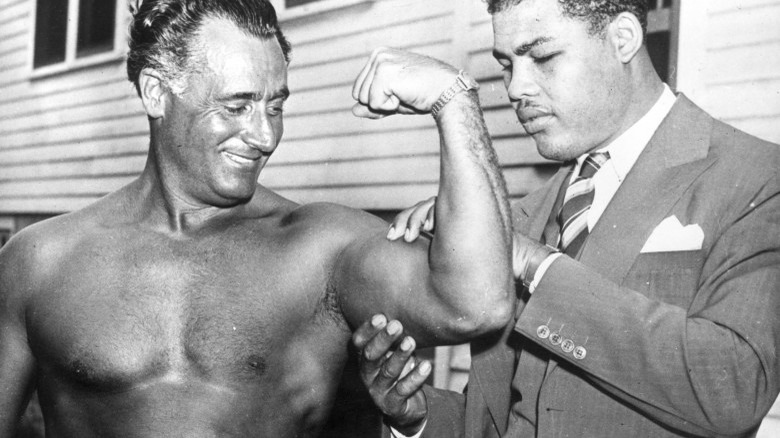
Of course, fat women weren’t fashionable, it was only men.
But, this was the last time that a big belly would be the height of attractiveness.
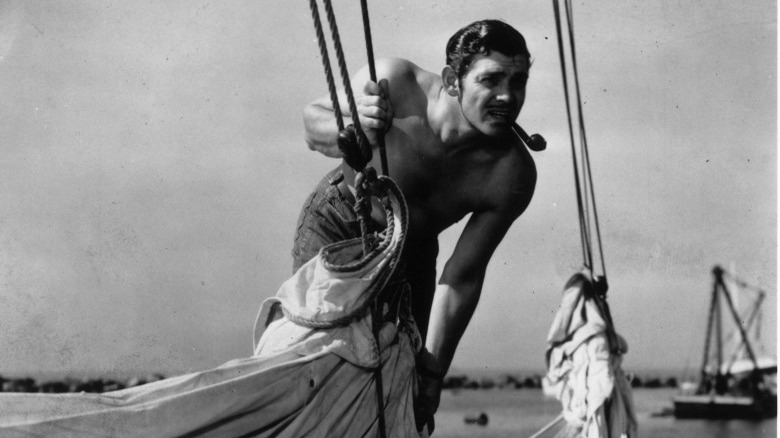
Atlas was the first fitness guru and he worked incredibly hard for his physique.
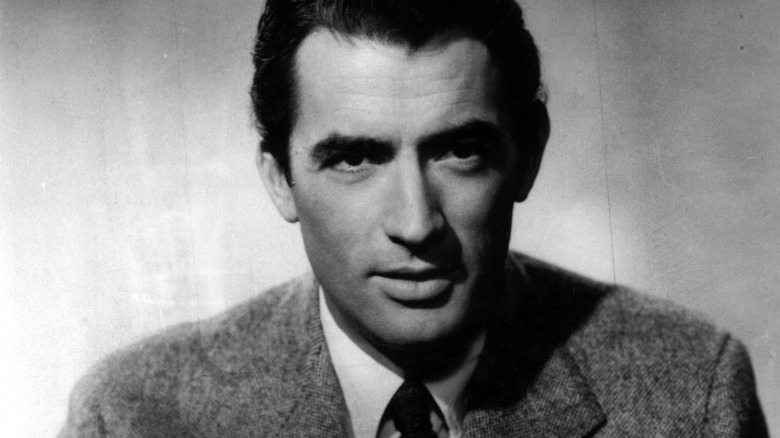
Smithsonian Magazinedetails that Atlas was once a 97 pound guy who got tired of getting bullied all the time.
During the hard times of the 1930s and ’40s, people were inspired by Atlas' story.
Then nobody would mess with you.
The idea that physical size could give you confidence was a powerful message."
This started the first real fitness movement and began the trend towards men wanting to build up their physiques.
“The fashion now is for big men.
Basically, if you were short in the ’50s you needed to work harder to get ahead.
Packard reported, “If small, he should make up for it in energy and good health.”
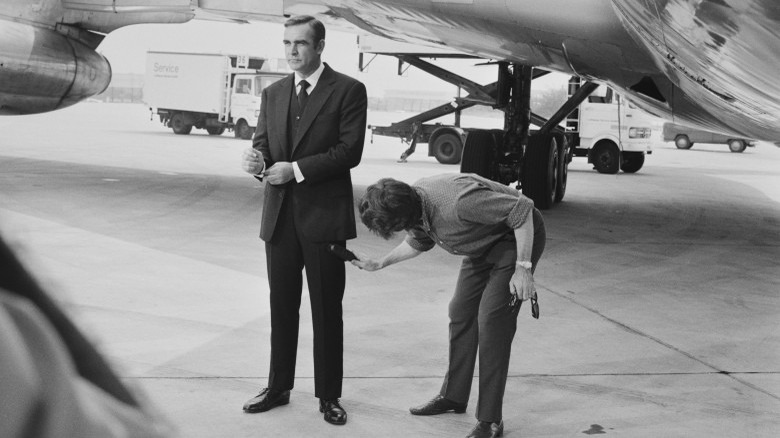
The era’s perfect male body is exemplified by Sean Connery, the veryfirst 007.
He was trim, but didn’t have a lot of muscle definition and did have alotof chest hair.
A thin, lanky frame became popular for followers of this look.
Not all men were into the gender bending idea.
They sported mustaches and wholeheartedly embraced the new trend of bell bottoms.
Men’s clothes were tighter fitting than years past, so a reasonably toned physique was in fashion.
1980s
Men’s perfect bodies went in two completely different directions in the ’80s.
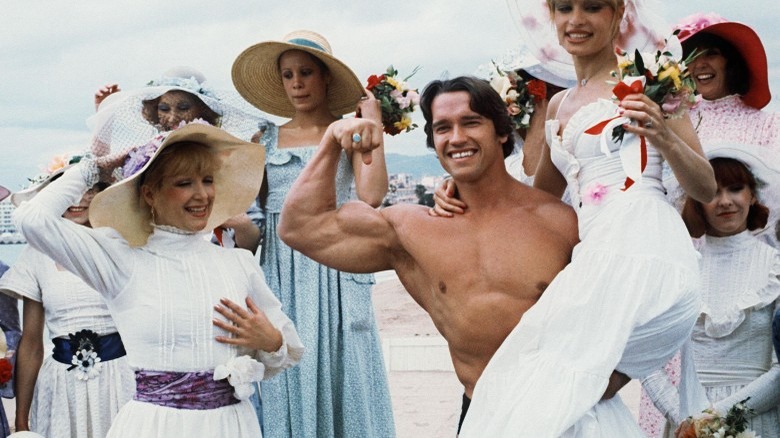
One path had the hard bodied men exemplified by action heroes like Sylvester Stallone and Arnold Schwarzenegger.
For this decade, having broad shoulders but a bit of a pudge wouldn’t cut it anymore.
On the complete other side of the spectrum was the rise of glam metal.
it’s possible for you to see this in the timeline of superhero movies.
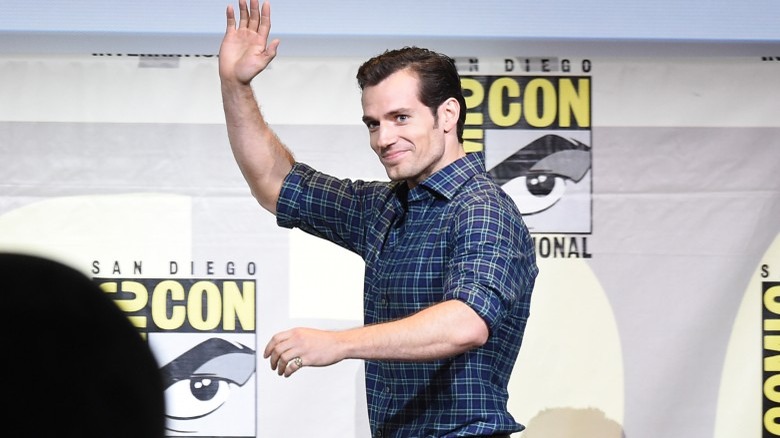
CompareChristopher Reeve in the 1987 filmSuperman IVtoHenry Cavill.
Now, anybody who plays a “hot guy” in film has to be cut.
The Telegraphposits that these action figures may be giving boysbody imageissues.
And they might be able to blame Superman.
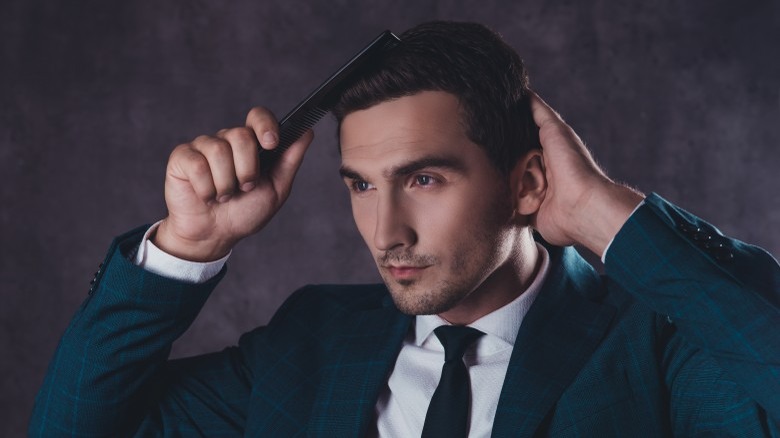
A full head of hair.
Men have fretted over losing their hair since the beginning of time.
According to the book, Julius Caesar sported his signature crown mostly to hide his disappearing hairline.
Men would dye their grays and were very emotionally attached to their hair.
Emperor Domitian said of hair, “Be assured that nothing is more pleasing, but nothing shorter-lived.”
That guy was an emperor and was still super sad about going bald.
Though styles and body types will continue to change, men wanting long, luscious locks will never change.
