If you’re patronized by pimple-prone skin, fear not!
You’re not alone.
According toWomen’s Health, countless celebrities share that struggle.
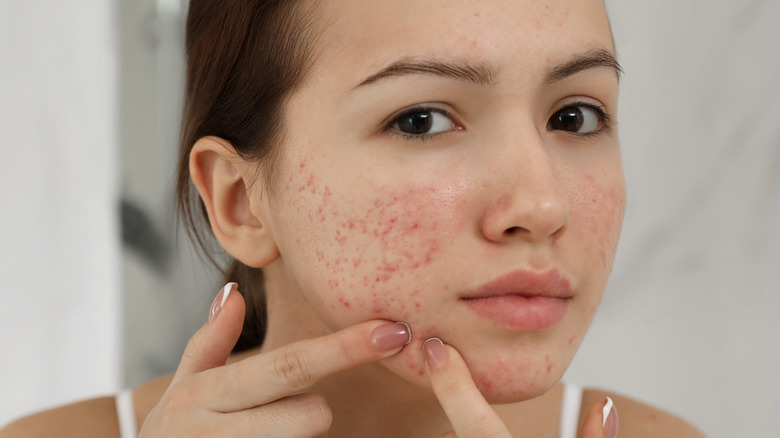
It’s true: Women prove more susceptible to acne than men.
of these varying places.
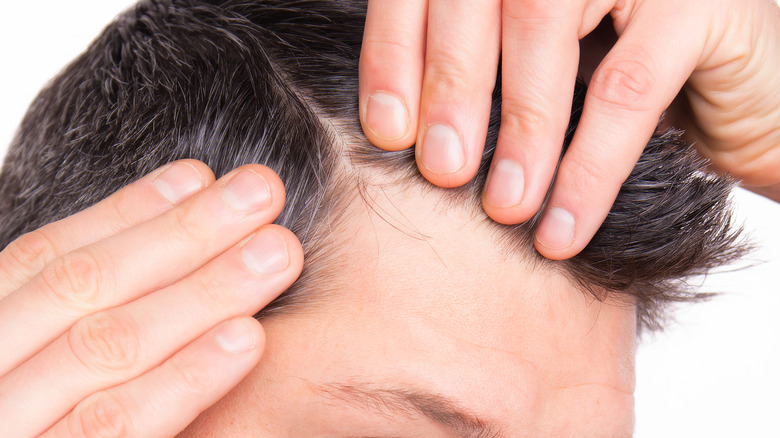
Fortunately, there are prevention practices and treatment methods for managing pimples along the hairline.
This simple technique limits the pores' exposure to irritable solutions and consequently helps prevent breakouts.
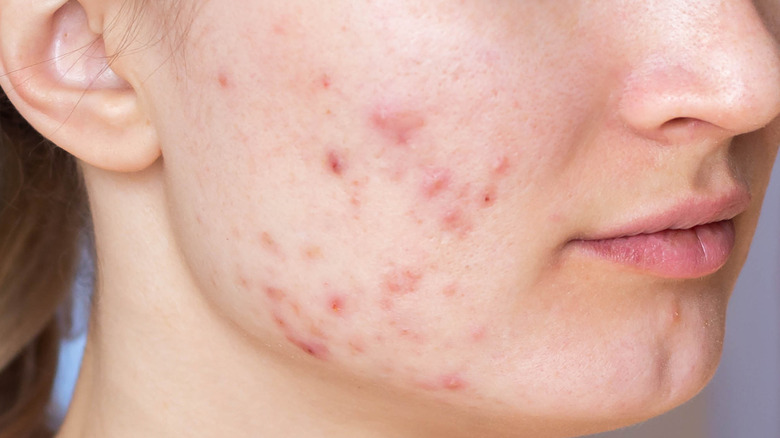
TheCleveland Clinicsuggests avoiding applying acne medications to the cheeks on a daily basis.
Instead, opt for an every-other-day regimen until the acne clears.
During that time, do not forget moisturizer!
Lucky for you, there’s a simple solution for lessening the effects of pimple pests.
Acne in this particular spot indicates overly high stress levels or too much sugar consumption.
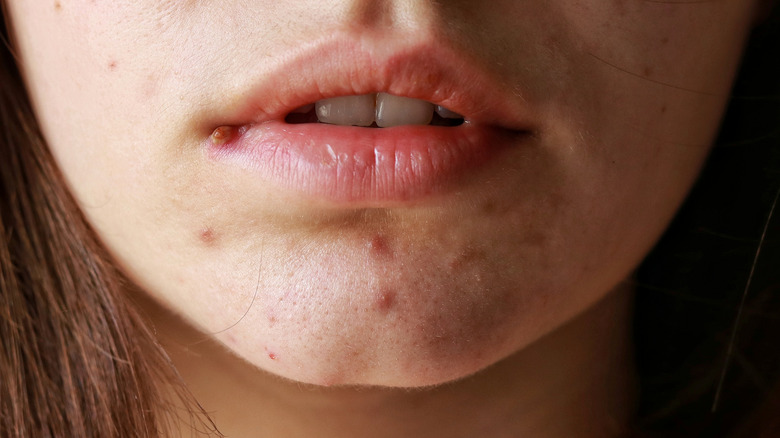
Just be sure to dilute it.
Because of this added sensitivity, opt for over-the-counter treatments with lower chemical concentrations.
Thankfully, switching to a fluoride-free toothpaste should clear pimples if SLS is the culprit.
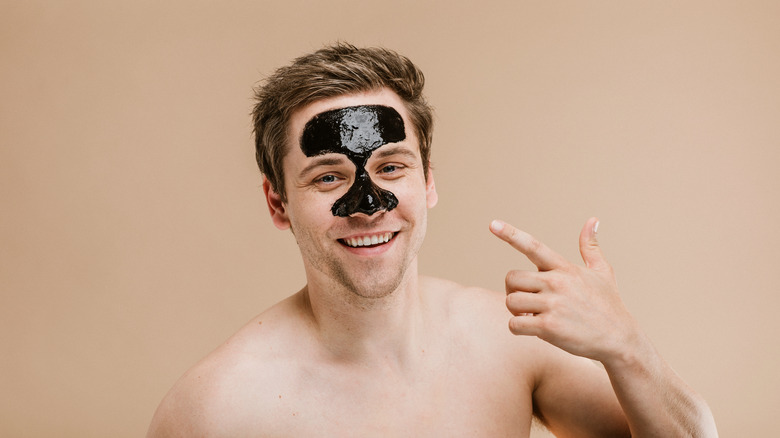
Similarly, cosmetics and shaving cream may be clogging your pores, too.
Boils tend to be very large and very painful, and they tend to develop from a bacterial infection.
Be sure to know the difference between derriere bumps before you attempt to treat them!

Allergies and ingrown hairs also impact acne production on the thighs especially, as noted byThe Chalkboard.
Additionally, pimples on the legs may stem from skin irritation when shaving.
When purchasing skincare products, opt for fragrance-free solutions to limit further irritation.

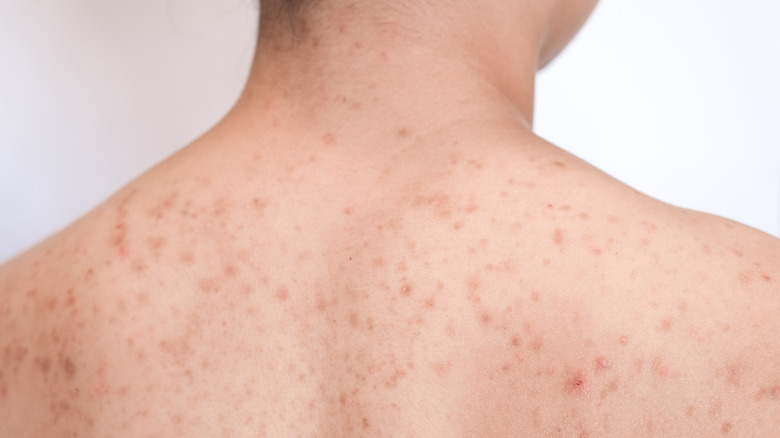
Similar to your face, however, your back contains unique glands that produce an oily discharge.
When taking prescription medication for various ailments, be wary of the possible reactions between your meds.
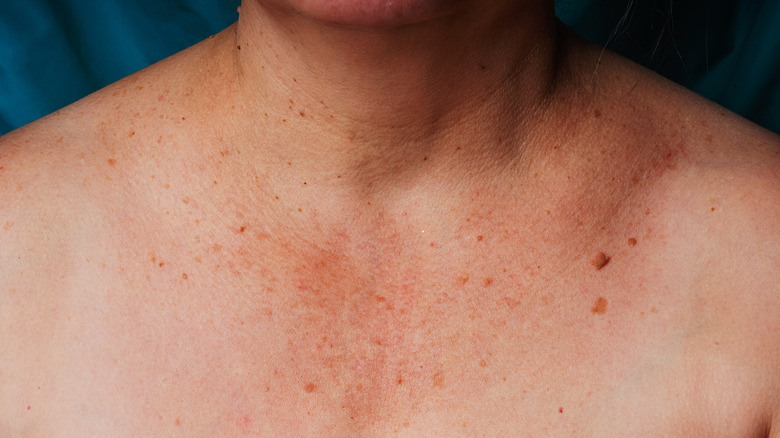
Additionally, topical products like soap and laundry detergent could potentially lead to chest pimples.

Or maybe there’s a hygiene discrepancy.
Like the armpits, shaving and razor burn may generate pimples on the privates, too.
Outside of the most severe possibility, vaginal acne is typically no big deal and totally treatable.
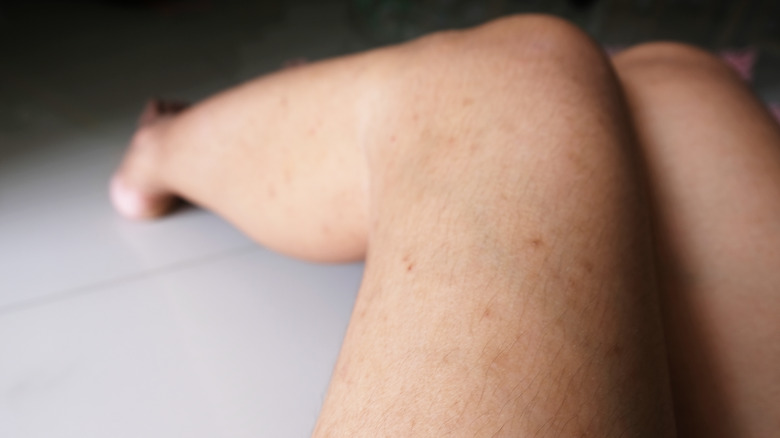
It’s there for a reason, after all.